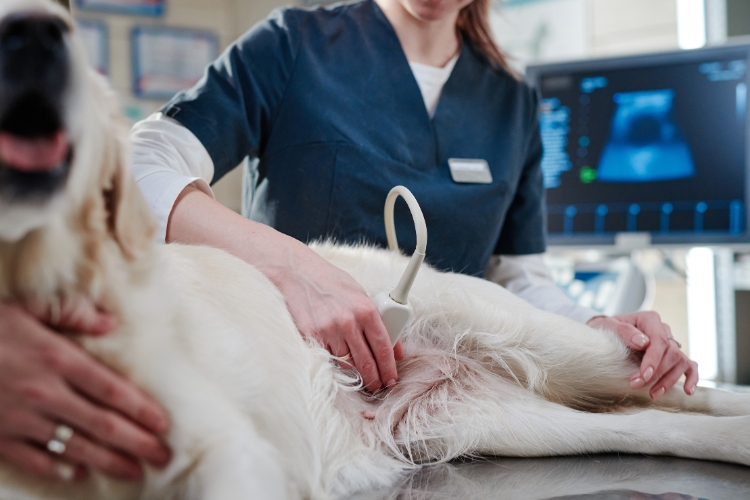
As a pet owner, one of the hardest things to face is the possibility of your dog facing health issues, especially when they’re not immediately noticeable, which is where advanced diagnostic tools like Electrocardiograms (ECG) come into play. ECGs are invaluable in detecting heart issues and other underlying health problems early, helping you ensure a long, healthy life for your furry friend.
This blog is especially for dog owners in New York who want to stay ahead of potential health problems by understanding the benefits of ECG for early detection. With New York’s bustling lifestyle and access to top veterinary care, staying proactive about your pet’s health can lead to better outcomes. We’ll explain how ECGs work, their importance in identifying health issues, and why they could be a game-changer for your dog’s well-being. Keep reading to find out how ECG can be a proactive step in managing your dog’s health.
Explore the Role of ECG in Pet Health
ECG is a test that measures the electrical activity of the heart. It’s a vital tool for diagnosing heart-related issues in both humans and pets. The heart’s electrical signals control its rhythm, and any irregularities or blockages can significantly impact a dog’s health.
An ECG detects these irregularities and provides insights that could indicate serious issues such as arrhythmias (irregular heartbeats), heart disease, or other cardiovascular conditions is particularly important for dogs, as heart problems can often go unnoticed until they become severe. By catching these issues early, an ECG can help prevent further complications and improve your pet’s quality of life.
Why ECG Matters for Your Dog’s Health
Most dogs, especially as they age, may develop heart problems without any obvious symptoms. In fact, the early stages of heart disease in dogs often don’t show external signs, which makes regular veterinary check-ups and diagnostic tests crucial for detecting hidden health concerns.
ECGs offer a quick, non-invasive diagnostic care tool to monitor your dog’s heart function. With early detection, you can work with your veterinarian to prevent the progression of heart disease or other serious conditions.
The Benefits of Using ECG for Early Detection
An ECG offers several benefits when it comes to monitoring your dog’s health, including:
1. Non-invasive Diagnostic Tool
An ECG is a painless, non-invasive procedure that doesn’t require surgery or other painful methods. It can be performed in a matter of minutes, making it a safe and easy option for early detection.
2. Identifies Heart Issues Before They Become Serious
ECGs help detect issues like arrhythmias, heart murmurs, and other abnormalities in the heart’s rhythm, even before symptoms appear, allowing for prompt treatment, often preventing more severe health issues down the road.
3. Helps Monitor Existing Conditions
If your dog has been diagnosed with heart disease or another cardiovascular issue, an ECG provides an ongoing way to monitor their condition. Regular ECG testing helps your vet assess whether the current treatment plan is effective or adjustments are needed.
4. Detects Other Health Problems
In addition to heart issues, ECGs can also help detect problems with other organs that might be affecting your dog’s heart health, such as issues related to electrolyte imbalances or respiratory problems.
How ECG Works: A Simple Test with Big Impact
While the idea of an ECG might sound complex, the process is actually quite simple. Here’s how it works:
Electrode Placement
Your veterinarian will place small, sticky electrodes on your dog’s chest, legs, or arms. These electrodes pick up the electrical impulses generated by the heart as it beats.
Reading the Data
The ECG machine then reads these impulses, producing an electrocardiogram (ECG) that displays the heart’s electrical activity. The graph helps your vet assess your dog’s heart rate, rhythm, and overall heart function.
Immediate Results
Unlike some other diagnostic tests that may require lab work or prolonged analysis, an ECG provides immediate results, allowing your veterinarian to identify any irregularities right away, which means faster action and treatment when necessary.
Conditions That Can Be Detected Using ECG
An ECG is invaluable in detecting several common and potentially life-threatening conditions that can affect your dog’s heart health. Some of the most common conditions that ECGs can help diagnose include:
Arrhythmias
Arrhythmias are irregular heartbeats that can cause the heart to beat too fast, too slow, or erratically. If untreated, these can lead to fainting, heart failure, or other serious health issues.
Heart Disease
Chronic heart conditions, such as mitral valve disease, are common in dogs, especially older ones. ECG can detect signs of heart disease early, allowing for better management of the condition.
Heart Murmurs
Heart murmurs are often a sign of underlying heart disease, such as valve problems. An ECG helps confirm the cause and severity of the murmur.
Electrolyte Imbalances
Electrolytes like potassium and calcium play a crucial role in the heart’s function. An ECG can detect changes in the heart’s electrical activity caused by electrolyte imbalances, helping your vet treat the root cause.
Signs You Should Get an ECG for Your Dog
While regular check-ups are essential for all pets, an ECG might be particularly recommended in the following situations:
1. When Your Dog Shows Signs of Heart Issues
If you notice symptoms such as coughing, difficulty breathing, lethargy, or decreased appetite, it may be time to get an ECG. These symptoms often indicate heart problems, and an ECG can help pinpoint the exact issue.
2. If Your Dog Is Older
Senior dogs are more prone to heart disease. Regular ECG tests can help detect early signs of heart disease before they progress into more serious conditions.
3. If Your Dog Has a Heart Murmur
If your veterinarian detects a heart murmur during a physical exam, they may recommend an ECG to determine whether an underlying heart condition is causing it.
4. For Routine Preventive Care
Even if your dog is healthy, routine ECG testing can serve as preventive care, ensuring that no hidden health issues are present. It’s especially important for dogs with a family history of heart disease.
The Impact of ECG on Your Dog’s Health
The benefits of using ECG for early detection go far beyond just diagnosing heart conditions. With early diagnosis, you can prevent the progression of heart disease, which can significantly extend your dog’s life.
Health Benefits
An early diagnosis allows your vet to provide the right treatment at the right time. Whether that’s medication to regulate heart function, lifestyle changes to support heart health, or even surgery if necessary, early intervention leads to better outcomes.
Long-term Outcomes
By catching heart issues early, ECG testing helps ensure your dog enjoys a better quality of life as they age, improving their overall well-being and enabling them to live a longer, healthier life.
Risks of Ignoring Heart Health
If heart issues are left undiagnosed or untreated, they can lead to heart failure, organ damage, and even death. An ECG gives your veterinarian the tools they need to intervene before things reach a critical stage.
Safeguard Your Dog With Early Diagnosis of Heart Issues
Detecting heart issues in dogs early can make all the difference in their health and quality of life. An ECG is a valuable diagnostic tool that helps pet owners and veterinarians alike detect problems before they worsen. By being proactive with diagnostic care, you’re ensuring that your dog gets the treatment they need, when they need it.
If you’re in New York and want to ensure your dog’s heart health is in the best possible shape, schedule an appointment at Pure Paws Veterinary Care. Early detection is key to a long, healthy life for your dog. Our team is here to provide top-quality care with the latest diagnostic tools, including ECG, to keep your pet healthy and happy.
FAQs
1. What is an ECG, and why is it important for dogs?
An ECG measures the electrical activity of your dog’s heart. It helps detect irregular heartbeats, heart disease, and other conditions early, allowing for timely treatment.
2. How is an ECG performed on a dog?
During an ECG, small electrodes are placed on your dog’s body to record the electrical signals from their heart. It’s a quick and non-invasive procedure.
3. Can an ECG detect heart disease in dogs?
Yes, an ECG can help detect early signs of heart disease, allowing for early intervention and better management of the condition.
4. How often should my dog have an ECG?
Your veterinarian will recommend the frequency based on your dog’s age, breed, and health history. Regular check-ups or when symptoms arise may prompt an ECG.
5. What signs should I watch for that indicate my dog might need an ECG?
Signs such as coughing, difficulty breathing, lethargy, or decreased appetite can indicate heart problems. If you notice these, schedule an ECG to check for underlying issues.
6. Is ECG testing painful for my dog?
No, ECG testing is non-invasive and painless. Your dog will not feel discomfort during the procedure. It’s a quick, stress-free test to monitor heart health.