As a cat owner, you want the best for your feline friend. From providing the most comfortable living environment to giving them plenty of playtime, you always keep ensuring they’re healthy and happy at the forefront of your mind. One crucial aspect of their well-being that is often overlooked is their diet. While store-bought cat food is convenient, many pet parents are turning to homemade cat food recipes to provide their pets with wholesome, nutritious meals tailored to their individual needs.
Living in New York, you’re familiar with the challenges of balancing busy schedules and managing your pet’s needs. With everything from hectic workdays to city life, it can be easy to overlook the benefits of preparing your cat’s meals at home. However, taking the time to make homemade meals for your pet can ensure they’re getting the nutrition they deserve, while also offering you peace of mind that you’re feeding them the best. This guide is specifically for New York pet owners, offering simple and effective ways to boost your cat’s health with homemade food.
Why Homemade Cat Food is a Great Choice
When it comes to cat nutrition, you may wonder whether homemade food is a better option than the canned or dry varieties available at your local pet store. While both options have their pros and cons, here are a few key reasons why you might consider preparing homemade meals for your cat:
Tailored to Your Cat’s Specific Needs
Every cat is different, and some may have specific dietary needs due to allergies, sensitivities, or health conditions. By preparing meals at home, you can control the ingredients and avoid the fillers, artificial preservatives, and by-products commonly found in commercial pet food.
Higher Quality Ingredients
When you cook at home, you have full control over the quality of the ingredients used. You can opt for fresh, high-quality meats, vegetables, and grains that are free from harmful additives and preservatives.
Improved Health and Energy
Cats that are fed nutritious, homemade meals can improve digestion, have a shinier coat, healthier skin, and increased energy. Plus, homemade meals can be customized to include the right balance of protein, fats, and carbohydrates to support your cat’s growth and overall health.
Cost-Effective for Long-Term Health
While it may seem more expensive to make homemade meals at first, it can actually save you money in the long run by reducing the need for costly vet visits due to diet-related health issues. Plus, when you control your cat’s food, you can choose recipes that fit within your budget.
Key Ingredients for Homemade Cat Food
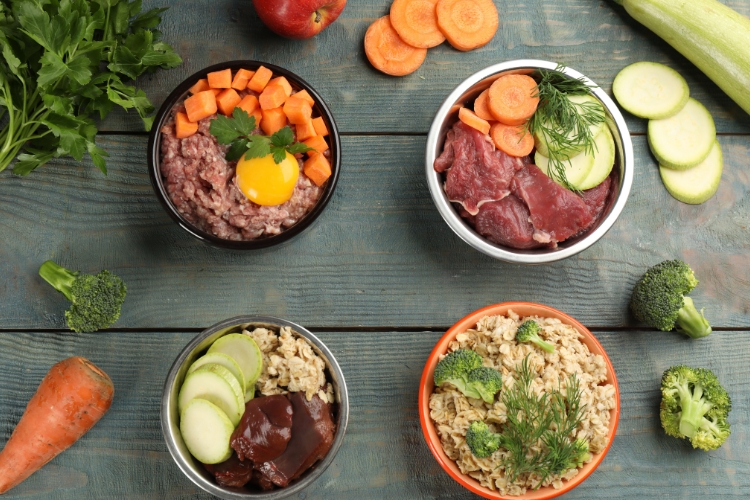
Before you start cooking for your cat, it’s important to understand the key ingredients that make up a nutritious meal for felines. Cats are obligate carnivores, which means they require a diet high in animal-based proteins and fats. Here are some essential ingredients to include in your homemade cat food:
Protein-Rich Meats
Cats need protein to support muscle growth, energy levels, and overall health. Chicken, turkey, beef, and fish (like salmon or tuna) are excellent sources of protein for your cat’s meals. It’s important to cook the meat thoroughly before feeding it to your cat to avoid any harmful bacteria.
Animal Fats
Healthy fats are essential for your cat’s coat and skin, as well as their overall energy levels. Animal fats from sources like chicken, turkey, or beef are a great way to provide the necessary fats in their diet. Be sure to avoid too much fat, as it can lead to obesity and other health problems.
Organ Meats
Organ meats like liver and kidney provide essential vitamins and minerals that cats need. These are rich in vitamin A, B vitamins, and other nutrients that support your cat’s health. Just be sure to include these in moderation, as too much liver can lead to vitamin A toxicity.
Bone Meal or Bone Broth
Cats require calcium for strong bones and teeth. Bone meal or bone broth can help provide this vital nutrient in a natural form. If you’re making bone broth, be sure to cook the bones thoroughly to extract the nutrients and avoid any potential choking hazards.
Taurine Supplement
Taurine is an essential amino acid for cats that they cannot produce on their own. It’s crucial for heart health, vision, and digestion. While meats like chicken and turkey contain taurine, you may want to supplement it in your homemade cat food to ensure your pet is getting enough of this important nutrient.
Vegetables and Grains (Optional)
While cats don’t require vegetables and grains in their diet, small amounts of cooked carrots, peas, or pumpkin can provide fiber for digestion. You can also include a small amount of rice or oatmeal to help with digestion. However, keep these ingredients to a minimum, as cats are primarily carnivores.
Easy and Nutritious Homemade Cat Food Recipes
Now that you understand the key ingredients, it’s time to dive into some simple and nutritious recipes that you can make at home for your cat. These recipes are designed to be easy to prepare and provide your cat with all the nutrients they need to thrive.
1. Chicken and Chicken Liver Stew
Ingredients:
- 1 lb. boneless, skinless chicken breast
- 1/2 lb. chicken liver
- 1 small carrot, peeled and chopped
- 1/2 cup peas (optional)
- 2 cups chicken broth (low sodium, no onions or garlic)
- 1 tablespoon fish oil (for added omega-3 fatty acids)
- 1/4 teaspoon taurine supplement (optional)
Instructions:
- Cut the chicken into small chunks and cook in a pot over medium heat with the chicken liver, carrots, and peas.
- Add the chicken broth and bring to a boil. Reduce the heat and let simmer for 15-20 minutes, or until the chicken is fully cooked.
- Once the chicken is cooked, allow the mixture to cool slightly before blending or chopping it to the desired consistency.
- Mix in the fish oil and taurine supplement, if using.
- Serve a portion suitable for your cat’s size and refrigerate or freeze the leftovers.
2. Beef and Pumpkin Mash
Ingredients:
- 1 lb. ground beef (80% lean)
- 1/2 cup cooked pumpkin puree (not spiced)
- 1 tablespoon olive oil
- 1/4 teaspoon taurine supplement (optional)
Instructions:
- Cook the ground beef in a pan over medium heat until browned and fully cooked.
- Drain any excess fat and combine the cooked beef with the pumpkin puree and olive oil.
- Mix well and allow the mixture to cool to room temperature.
- Add the taurine supplement if desired, and serve in appropriate portions.
3. Salmon and Sweet Potato Delight
Ingredients:
- 1 can of wild-caught salmon (in water, no added salt)
- 1 small sweet potato, cooked and mashed
- 1 tablespoon fish oil
- 1/4 teaspoon taurine supplement (optional)
Instructions:
- Drain the salmon can and mix it with the mashed sweet potato.
- Add the fish oil and taurine supplement, then mix thoroughly.
- Serve fresh, or store the mixture in the refrigerator for up to 3 days.
Tips for Transitioning Your Cat to Homemade Food
Transitioning from commercial cat food to homemade meals should be done gradually to avoid digestive upset. Here are some tips to help your cat adjust to their new diet:
- Start Slowly: Begin by mixing a small amount of homemade food with your cat’s regular food, gradually increasing the portion of homemade food over 7-10 days.
- Monitor for Reactions: Keep an eye on your cat’s stool and overall behavior. If you notice any changes, like diarrhea or lethargy, consult your vet.
- Stick to a Routine: Cats thrive on routine, so try to feed them at the same time each day with consistent portions.
- Consult Your Vet: Before making significant changes to your cat’s diet, consult with your veterinarian to ensure the homemade food meets your cat’s nutritional requirements.
The Benefits of Homemade Cat Food
Homemade cat food offers many benefits that go beyond just satisfying your pet’s hunger. By cooking at home, you can ensure that your cat gets the right balance of nutrients, is free from harmful chemicals, and has a diet tailored specifically to their needs, which can lead to better digestion, healthier skin and fur, and a stronger immune system.
In addition, homemade meals allow you to avoid common allergens or preservatives found in commercial cat food, providing a more natural and wholesome diet for your furry friend.
Boost Your Cat’s Health With Homemade Meals
Feeding your cat homemade meals is a great way to ensure they receive the nutrition they need for a long, healthy life. By using fresh, high-quality ingredients, you can create delicious meals that will keep your cat strong, active, and happy. If you’re in New York and interested in exploring more about your cat’s nutritional needs, or if you need veterinary advice on transitioning to homemade meals, book an appointment with Pure Paws Veterinary Care of Hell’s Kitchen today.
Our team prioritizes your cat’s nutrition, setting them up for a bright, healthy future. Keep experimenting with homemade recipes and always remember that a happy, healthy cat starts with a well-balanced diet. Get your cat on the path to a healthier, more vibrant life!
FAQs
1. What is included in a wellness exam for puppies?
A wellness exam for puppies includes a physical check-up, vaccinations, parasite prevention, nutritional advice, and developmental milestone assessments to ensure your puppy is healthy and growing properly.
2. At what age should my puppy have their first wellness exam?
Puppies should have their first wellness exam around 6-8 weeks of age. The visit will include initial vaccinations, a physical examination, and advice on care and nutrition.
3. How often should puppies have wellness exams?
Puppies should have wellness exams every 3-4 weeks until they reach 16 weeks old, followed by regular check-ups at least once a year after that.
4. Are wellness exams only for vaccinations?
No, wellness exams cover a variety of topics, including growth development, parasite prevention, nutritional assessments, and overall health monitoring to ensure your puppy is thriving.
5. Can I skip a wellness exam if my puppy seems healthy?
It’s important not to skip wellness exams, as some health issues may not be immediately visible. Regular exams help catch problems early and prevent long-term issues.
6. How can I ensure my puppy stays healthy after their wellness exam?
Follow your vet’s advice on nutrition, exercise, training, and regular preventative care. Keeping up with recommended vaccinations and parasite treatments will help maintain your puppy’s health long-term.