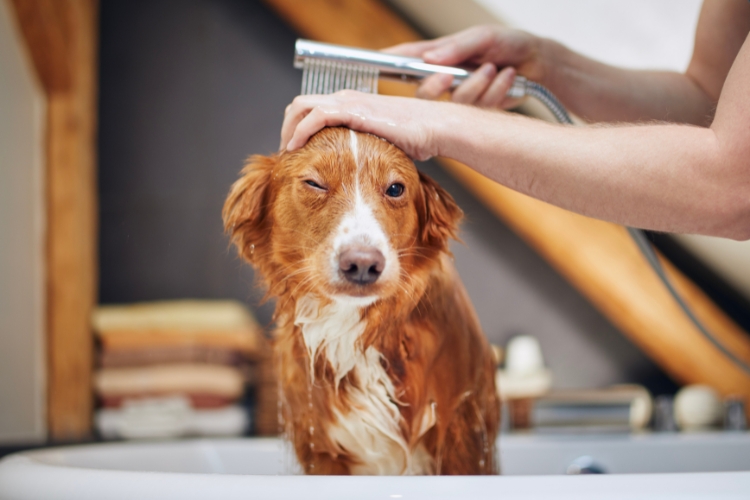
As winter fades and longer walks return, have you noticed changes in your dog’s coat, paws, or overall cleanliness? Spring is the perfect time to reset your dog’s hygiene routine. With increased outdoor activity, exposure to dirt, pollen, and moisture also rises, which is why veterinarians emphasize spring care to keep pets comfortable and healthy.
Recently, Dr. Stephanie Liff of Pure Paws Veterinary Care shared expert insights with Scary Mommy on “The Dog Hygiene Routine To Start This Spring According To Vets.” Her guidance focuses on simple and practical habits that help pet owners maintain their dog’s hygiene as spring arrives. These recommendations are designed to be easy to follow while making a noticeable difference in your pet’s daily comfort.
Why Spring Hygiene Matters for Dogs
Spring brings heavier shedding, muddy walks, and more exposure to allergens. While these changes are part of the season, they can lead to hygiene-related concerns if not managed properly. Dogs can pick up debris, bacteria, and irritants during outdoor activities, especially when spending more time in parks and on sidewalks. Without regular care, these small issues may turn into discomfort or more serious health concerns.
A consistent hygiene routine during this time helps reduce these risks. It also supports your dog’s overall well-being by keeping their skin, coat, and paws in better condition. Seasonal care as spring starts is not only about cleanliness but also about preventing problems before they start.
Dr. Stephanie Liff’s Expert Spring Hygiene Tips for Dogs
In her Scary Mommy feature, Dr. Stephanie Liff explains that small, consistent grooming habits matter. They can improve your dog’s overall health over time. In spring, nail care becomes especially important. If a dog’s nails touch the ground while standing, it can affect their gait. It may also put extra strain on their joints. Keeping nails trimmed supports better balance. It also helps your dog move naturally and comfortably.
She also notes that lifestyle plays a key role in grooming frequency. Dogs that walk less on hard surfaces may need their nails trimmed about once a month. Many dogs tolerate filing better than clipping, which makes a Dremel tool a helpful option for at-home care, allowing for gradual trimming and making it feel more comfortable for pets.
In addition, she recommends checking the fur between paw pads. During spring, it is easy for dirt, small debris, and allergens to get trapped in this area. Keeping it clean and trimmed helps prevent irritation and allows your dog to walk comfortably. Regular checks also give pet owners a chance to notice any early signs of discomfort.
Dental hygiene is another important area highlighted by Dr. Stephanie Liff in her Scary Mommy feature. Plaque can harden into tartar quickly, and without regular brushing, it may lead to dental disease early in life. Consistent care supports overall health and helps prevent more complex issues.
Simple Hygiene Habits to Follow This Spring
Maintaining your dog’s hygiene does not have to be complicated. Regular brushing helps manage seasonal shedding and keeps the coat clean. It also supports healthy skin by removing loose hair and distributing natural oils. Checking paws after walks helps reduce irritation from dirt and allergens common in spring.
Keeping nails trimmed ensures proper movement and prevents unnecessary strain. Adding a consistent dental routine supports better oral health and contributes to overall well-being. These habits may seem simple, but when practiced regularly, they create a noticeable improvement in your dog’s comfort and activity levels.
A routine that fits easily into your schedule is more likely to be maintained. Even small efforts, done consistently, can lead to long-term benefits for your pet.
How Pure Paws Veterinary Care Supports Your Pet
At Pure Paws Veterinary Care, the focus is on preventive care and long-term wellness. With locations in Hell’s Kitchen, Hudson Square, and Clinton Hill, the practice offers a full range of services, from routine wellness exams to advanced treatments.
The team works closely with pet owners to develop care routines that suit each pet’s lifestyle. Whether it is guidance on grooming habits or support for ongoing health concerns, the approach centers on personalized, attentive care. Each visit is designed to provide clarity, comfort, and support for both pets and their owners.
Schedule Your Dog’s Visit With Dr. Stephanie Liff
Spring is the ideal time to refresh your dog’s hygiene routine and build habits that support long-term health. Small and consistent steps can make a meaningful difference in your pet’s comfort and well-being.
If you are unsure where to start or need expert guidance for your pet’s care, Dr. Stephanie Liff and the team at Pure Paws Veterinary Care are here to help. Contact the clinic, or schedule a visit at Pure Paws in Hell’s Kitchen, book an appointment at the Hudson Square location, or make an appointment at Pure Paws in Clinton Hill. Visit the location most convenient for you. The team will guide you through every step of your dog’s hygiene routine and provide care that supports comfort, cleanliness, and overall wellness throughout the spring season.
FAQs
Q1. How often should I trim my dog’s nails?
Ans. Most dogs need nail trimming every three to four weeks, depending on activity level and walking surfaces. If nails touch the ground while standing, they likely need trimming.
Q2. Is filing better than clipping for dog nails?
Ans. Many dogs tolerate filing better because it feels smoother and less abrupt. Filing also allows gradual shaping, which reduces the risk of cutting too short.
Q3. Why is paw pad care important in spring?
Ans. Spring conditions expose paws to dirt, allergens, and debris. Keeping the fur trimmed helps prevent buildup and reduces irritation during outdoor activities.
Q4. How can I tell if my dog’s nails are too long?
Ans. If you hear clicking sounds on hard floors or notice changes in walking posture, the nails may be too long and need trimming.
Q5. How quickly does plaque turn into tartar in dogs?
Ans. Plaque can harden into tartar within 24 to 72 hours. Regular brushing helps prevent buildup and supports better oral health.