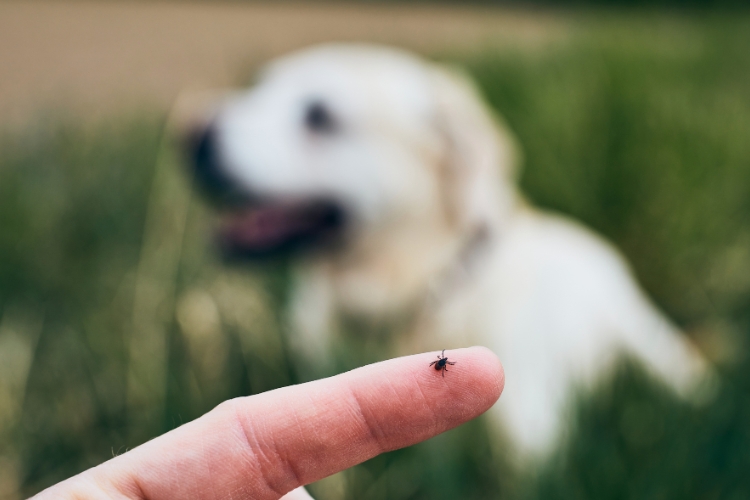
If you notice your dog scratching more than usual or licking their skin constantly, it could be a sign of fleas or ticks. Although these parasites are common in dogs, they can cause serious health problems if left untreated. They can lead to severe health issues if left unchecked. In this blog, we will explain how fleas and ticks can affect your dog’s health over time and discuss measures you can take to protect your pet.
The Impact of Fleas and Ticks on Your Dog’s Health
Dog fleas and ticks are external parasites that attach to your dog’s skin and feed on their blood. Although they are often seen as minor irritations, they can lead to serious health issues if not appropriately managed. These pests not only cause discomfort by irritating your dog’s skin but can also transmit diseases, lead to infections, and cause long-term health problems when left untreated. In places like New York, where outdoor activities such as trips to parks and nature trails are everyday, it is essential to protect your dog from these parasites year-round.
Flea-Borne Health Problems in Dogs
Flea Allergy Dermatitis
Fleas are the leading cause of flea allergy dermatitis in dogs. This condition is an allergic reaction to flea saliva, leading to intense itching, redness, and skin inflammation. In more serious cases, it can cause hair loss, hot spots, and other infections. Over time, flea allergy dermatitis can cause your dog discomfort and ongoing skin damage.
Tapeworms
When your dog bites or ingests a flea, it can become infected and may develop tapeworms. These tapeworms reside in the intestines and can lead to weight loss, vomiting, and irritation. They can be particularly serious for puppies and older dogs, often requiring veterinary treatment.
Anemia
Fleas feed on your dog’s blood, and during severe infestations, they can lead to anemia. This condition occurs when your dog loses too much blood, leading to weakness, fatigue, and pale gums. Anemia is a serious issue that needs prompt veterinary attention, especially in young or older dogs who are at greater risk.
Tick-Borne Diseases in Dogs
Lyme Disease
One of the most common tick-borne diseases. Ticks carrying the bacterium Borrelia burgdorferi can infect your dog when they bite. Symptoms of Lyme disease in dogs include fever, loss of appetite, lethargy, and joint pain. In severe cases, Lyme disease can lead to kidney failure and long-term joint damage.
Ehrlichiosis
Ehrlichiosis is a tick-borne disease caused by the bacterium Ehrlichia that affects the dog’s immune system. It can cause symptoms such as fever, weight loss, joint pain, and bleeding problems. If it is not treated, Ehrlichiosis may lead to severe damage to the organs and can even be fatal.
Rocky Mountain Spotted Fever
This disease is caused by the bacterium Rickettsia rickettsii and is spread to dogs through ticks. Symptoms include fever, skin rashes, and muscle aches, and in severe cases, it may lead to organ failure. Rocky Mountain spotted fever can be life-threatening if it is not diagnosed and treated promptly.
Long-Term Effects of Flea and Tick Infestations
Chronic Skin Infections
Chronic scratching from fleas and ticks can result in bacterial and fungal infections. Dogs might develop hot spots, abscesses, or other skin problems that need extended treatment. Such infections can cause ongoing discomfort and may require antibiotics or other medications for recovery.
Arthritis and Joint Problems
Ticks that spread Lyme disease can cause joint pain and swelling, which can progress to arthritis if left untreated. Over time, untreated Lyme disease or other tick-borne illnesses may result in lasting joint and tissue damage.
Ongoing Anemia
Untreated severe flea infestations can lead to chronic anemia, resulting in persistent weakness, fatigue, and lethargy. This condition also hampers your dog’s ability to combat other infections, thereby weakening their immune response.
Weight Loss and Poor Coat Condition
Flea and tick infestations may cause weight loss by decreasing appetite and causing general discomfort. Furthermore, constant scratching and grooming can damage coat health, leading to thinning fur and bald patches.
How to Protect Your Dog From Fleas and Ticks?
Preventing dog fleas and ticks is much easier than treating the long-term effects of an infestation. Here are some key steps to help protect your dog from these parasites:
Regular Flea and Tick Prevention
There are many flea and tick prevention options, such as topical treatments, collars, and oral medications. Consult your veterinarian to find the best choice for your dog based on its lifestyle and health needs. Many of these preventatives also help protect against tick-borne diseases, such as Lyme disease and Ehrlichia.
Frequent Grooming and Inspections
Regular grooming and inspection of your dog’s fur, especially after walks in wooded or grassy areas, are essential. Focus on places like the ears, underbelly, and paws where ticks like to hide. Grooming helps you detect fleas and ticks early and also contributes to the overall health of your dog’s coat.
Create a Safe Living Environment
Regular vacuuming and the use of flea control products help keep your home free of dog fleas and ticks. Maintaining your yard by mowing and trimming bushes reduces tick habitats, and applying veterinarian-approved pest control solutions along with tick repellents offers additional protection.
Routine Veterinary Visits
Regular veterinary checkups are crucial for your dog’s overall health, including safeguarding against fleas and ticks. Your veterinarian can recommend preventive treatments and tests for tick-borne diseases if your dog exhibits symptoms.
Protect Your Dog From Fleas and Ticks
Fleas and ticks are not only an annoyance for your dog but can also cause serious health issues if left unchecked. The most effective way to safeguard your dog is through consistent flea and tick prevention and regular veterinary care.
If you live in an area where fleas and ticks thrive, it’s essential to stay on top of prevention. Contact a trusted vet near you today to schedule an appointment and protect your dog from fleas and ticks.
FAQs
Q1. How can I treat a tick on my dog?
Ans. Use fine-tipped tweezers or a tick removal tool to carefully remove the tick. Clean the area with antiseptic, and monitor your dog for signs of illness. Contact your vet if you’re unsure.
Q2. What are the signs of flea allergy dermatitis in dogs?
Ans. Flea allergy dermatitis symptoms include intense scratching, inflamed or reddened skin, hair loss, and scabs. Veterinary care is necessary for treatment.
Q3. What are the risks of untreated flea infestations in dogs?
Ans. Untreated flea infestations can cause skin infections, flea allergy dermatitis, tapeworms, and anemia. In severe cases, it can lead to long-term health issues or even death.
Q4. Can I use flea collars as a primary treatment?
Ans. Flea collars can be effective for some dogs, but they are often best used in conjunction with other treatments, such as topical or oral flea medications, for comprehensive protection.
Q5. When should I take my dog to the vet for a flea or tick issue?
Ans. If your dog has a flea or tick infestation that doesn’t respond to over-the-counter treatments, or if they show signs of illness such as fever or lethargy, it’s time to consult your veterinarian.