Caring for a puppy is a rewarding experience, and as your dog grows, its needs will change. Caring for a puppy is especially important in the early stages of their life, but this changes once they become an adult. Whether you are a new puppy owner or have years of experience, understanding when and how to adapt your care is key to supporting your pet’s long-term health.
Establishing the Foundation of Puppy Years
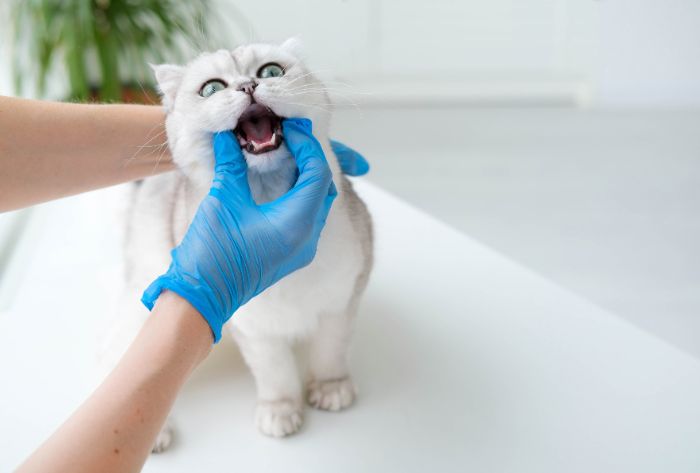
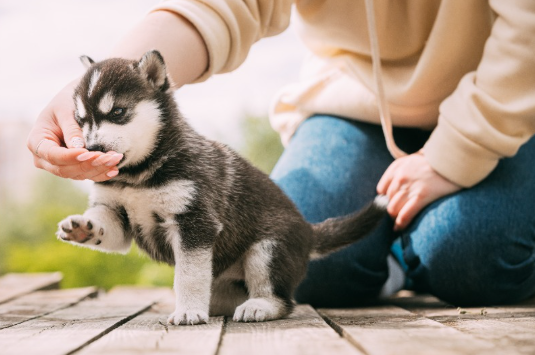
In the first few months, your puppy’s care will mainly involve socializing, getting vaccinations, and learning basic commands. Puppies tend to be lively and curious, so they need close supervision and regular meals to support their growth. During this period, regular visits to the veterinarian will help ensure your puppy stays up to date on vaccinations and continues to develop properly.
- Socialization: Early exposure to different animals, people, and environments is essential.
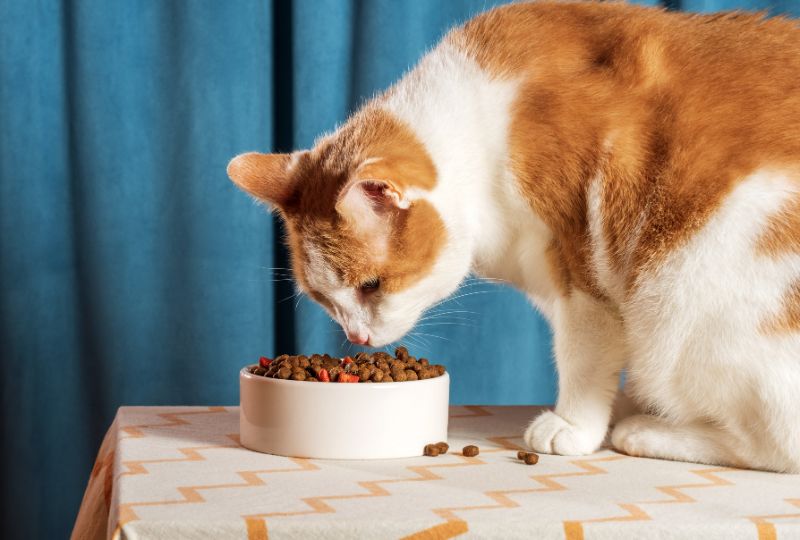
- Nutrition: Puppies require a nutrient-rich, high-quality diet to support their fast growth.
- Training: Developing good habits early, such as potty training and leash walking, is crucial.
- Health Checks: Regular vet visits for vaccinations and health checks help detect early issues.
In a city like New York, the busy city environment can often be overwhelming for a young puppy. That’s why early socialization, particularly in city environments with noise and crowds, is essential.
Transition to Adolescence: Changing Nutritional and Activity Needs
As your puppy approaches adolescence between 6 months and 1 year old, you will notice changes in their physical needs. Their energy levels may fluctuate, and it might be time to review and adjust their diet to ensure they are getting the proper nourishment for this developmental stage.
- Diet: Many puppies transition from puppy food to adult food to provide the nutrients their developing muscles and bones need.
- Exercise: Adolescent dogs tend to become more independent and may have increased stamina. It is important to include daily walks, runs, and playtime in their routine to ensure they stay healthy and happy.
- Behavior Changes: Adolescence can sometimes lead to challenging behaviors such as increased chewing or a stronger desire for independence. It is essential to maintain consistent training during this period, emphasizing the importance of positively reinforcing good behaviors in a calm, patient manner.
Your puppy may go through a growth spurt, which can sometimes lead to discomfort or growing pains. As a pet owner, you need to adjust your care routine to support your puppy through these changes in a gentle, effective way.
Tailoring Care for Your Dog During Adulthood
Once your dog reaches adulthood, usually between 1 and 2 years old, their care needs become stable. It is essential to maintain regular checkups to help keep their health and happiness in check. During this time, providing consistent grooming, proper nutrition, and appropriate exercise will help support their well-being.
- Nutrition: Adult dogs should maintain a balanced diet that supports their energy level and weight.
- Exercise: Regular, moderate exercise is essential, but overdoing it as an adult dog can cause joint problems later, especially in larger breeds.
- Routine Checkups: Regular veterinary visits are increasingly vital for detecting potential health issues like dental problems, weight control, and arthritis.
Senior Dogs: Specialized Care for Aging Pets
As your dog enters their older years, which is usually around 7 years or older, depending on their breed, their care requirements will change. Senior dogs often become less active and may gain weight or develop joint problems. They might also experience age-related issues such as arthritis, dental problems, or vision loss. It is essential to adjust your dog’s care to ensure they remain comfortable and healthy during this stage of life.
- Health Monitoring: Frequent veterinary visits are essential to monitor age-related health issues, such as joint problems, kidney conditions, and dental health.
- Diet Adjustments: Senior dogs may require a diet that is lower in calories and higher in fiber to help prevent obesity and support healthy digestion.
- Joint Care: Consider supplements or medication to support joint health, especially if your dog is showing signs of arthritis.
- Mental Stimulation: While they may not have the same energy as before, keeping your senior dog mentally stimulated with puzzle toys or gentle play is essential.
In a city like New York, where many dogs face a more sedentary lifestyle due to apartment living, regular mental exercises, along with light walks, can help keep your dog’s mind sharp and healthy.
Adapting Puppy Care Over the Years
As your dog grows from a playful puppy into a calm adult, the changes in care may seem minor at first, but they can significantly affect their health and happiness. Paying attention to their changing needs, such as adjusting their diet, increasing physical activity, or providing specialized care as they age, helps ensure they live a long and healthy life.
For the best care at every stage, it is essential to consult your veterinarian. Whether your dog is transitioning from puppyhood or aging, professionals can offer helpful advice to keep your dog in good condition.
Providing the Best for Your Growing Dog
As a pet owner, it’s crucial to recognize your dog’s changing needs as they age. Whether they are in the playful puppy stage, the more settled adult years, or the senior years, each phase requires tailored care and attention. Providing for their evolving needs is key to supporting their health and happiness.
At Pure Paws, we are committed to offering the care and support your dog requires throughout every stage of life. Whether it’s ensuring proper nutrition and exercise during their youth or helping manage health issues as they age, we are here to assist you in giving the best possible care for your furry friend.
If you’re uncertain about the best way to care for your growing dog, book a consultation with Pure Paws today. Our team will offer expert guidance and tailored care to support your dog’s health and happiness from puppyhood to old age.
FAQs
Q1. What are common behavioral issues in adolescent dogs?
Ans. Adolescent dogs may exhibit behaviors like chewing, barking, and testing boundaries. Consistent training and reinforcement of positive behaviors are key.
Q2. How can I help my senior dog stay active?
Ans. Adjust your senior dog’s exercise to be gentle but consistent, including shorter walks and low-impact activities. Mental stimulation through games is also necessary.
Q3. Should I crate train my puppy?
Ans. Crate training is a great way to provide a safe and controlled environment for your puppy, especially when you’re not home.
Q4. What are the most common health problems in senior dogs?
Ans. Arthritis, dental disease, and kidney or heart problems are common in senior dogs. Regular vet visits can help detect these early.
Q5. Can I bathe my dog too often?
Ans. Bathing your dog too often can strip their coat of natural oils. A bath every 4-6 weeks is typically sufficient unless your dog gets particularly dirty.