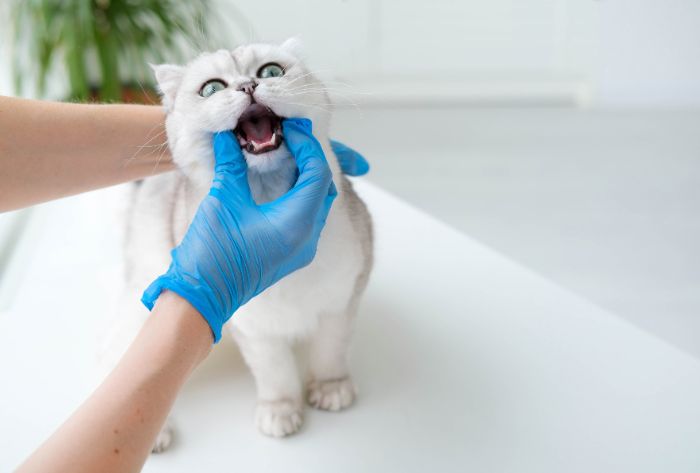
A cat’s mouth does more than just help with eating. It plays an essential role in your cat’s comfort, health, and well-being. Dental issues can cause pain and infections that affect more than just the teeth. Regular dental care can prevent hidden problems that might impact your cat’s appetite, behavior, and overall health, often without noticeable signs.
Understanding the Oral Health Link
Dental health is closely linked to overall well-being. Bacteria can build up along the gums and enter the bloodstream through inflamed tissue, potentially causing inflammation in other parts of the body. Regular dental care for cats helps reduce these bacteria and supports overall health.
Dental problems in cats usually develop slowly. Plaque first builds up on the teeth and hardens into tartar, which can irritate the gums and cause infections that may go beneath the surface. Since cats tend to hide pain, dental issues often progress quietly and are difficult to spot early until they become more serious. Regular check-ups and proper dental care are important for keeping your cat healthy and preventing problems from developing.
Common Dental Conditions in Cats
Dental disease is one of the most common health issues in cats and can worsen without consistent Cat Dental Care. Minor problems can develop into painful and complex conditions. Some of the common dental concerns include:
- Gingivitis causes red, swollen gums
- Periodontal disease affects tooth support
- Tooth resorption leading to structural breakdown
- Oral infections that create abscesses
These issues can cause discomfort or pain in your pet’s mouth, leading cats to eat slowly, avoid hard foods, or stop eating. This may result in weight loss, nutritional deficiencies, and low energy.
Behavioral and Nutritional Effects
A cat with dental discomfort may become irritable, withdraw, or be less active, and might decline grooming and play. Dental issues can affect eating habits, leading to swallowing food whole or skipping meals, which impacts health. Early dental care prevents worsening and helps restore normal behaviors by easing hidden pain.
Dental Disease and Organ Health
The health of your cat’s mouth affects more than just teeth and gums because ongoing oral infections can lead to increased inflammation throughout the body. Regular dental care is very important because it helps prevent bacteria from reaching vital organs such as the kidneys, liver, and heart, which are essential for your cat’s overall health. Although dental problems do not directly cause organ failure, they can add extra stress to these organs over time. Keeping your cat’s mouth healthy supports a strong immune system and helps ensure they stay healthy as they get older.
Preventive Dental Support
Preventive dental care for cats emphasizes maintaining good oral health rather than waiting until problems become advanced. Detecting issues early helps reduce discomfort for your pet and can prevent the need for more invasive procedures in the future.
Preventive care may include:
- Routine oral exams during wellness visits
- Professional dental cleanings when needed
- Home care options based on tolerance
- Monitoring eating habits and behavior changes
Many cats stay indoors and follow diets that can lead to plaque buildup over time. Regular check-ups are essential to catch any issues early, even if the cats seem healthy on the outside.
Supporting Lifelong Comfort
Dental health is essential for your cat’s comfort and overall well-being as they age. Proper dental care ensures your cat can eat comfortably, maintain good nutrition, and reduce the risk of systemic inflammation. A healthy mouth also promotes activity, engagement, and comfort throughout their life.
At Pure Paws Veterinary Care, we are dedicated to helping your cat maintain optimal dental health. Our team provides regular check-ups, valuable advice, and personalized care to support your cat’s comfort and happiness as they grow older. Schedule a consultation with us today to ensure your cat’s dental health is in top condition for years to come.
FAQs
Q1. How does dental disease affect a cat’s mood?
Ans. Dental pain can make cats irritable or withdrawn. Chronic discomfort often leads to behavior changes that may appear unrelated to the mouth, including hiding, reduced interaction, and decreased activity.
Q2. Can dental problems cause weight loss in cats?
Ans. Yes. Painful chewing may cause cats to eat less or avoid food altogether. Over time, reduced intake can lead to noticeable weight loss and muscle decline.
Q3. Why is dental disease difficult to notice in cats?
Ans. Cats naturally hide pain. Dental issues often progress without visible signs until they reach an advanced stage, making routine oral exams essential for early detection.
Q4. Does bad breath always mean dental disease?
Ans. Persistent bad breath is often linked to bacterial buildup and gum disease. It should not be considered normal and usually warrants an oral exam.
Q5. Can dental disease affect a cat’s kidneys?
Ans. Chronic oral bacteria may increase kidney inflammation. Supporting dental health helps reduce this added burden.