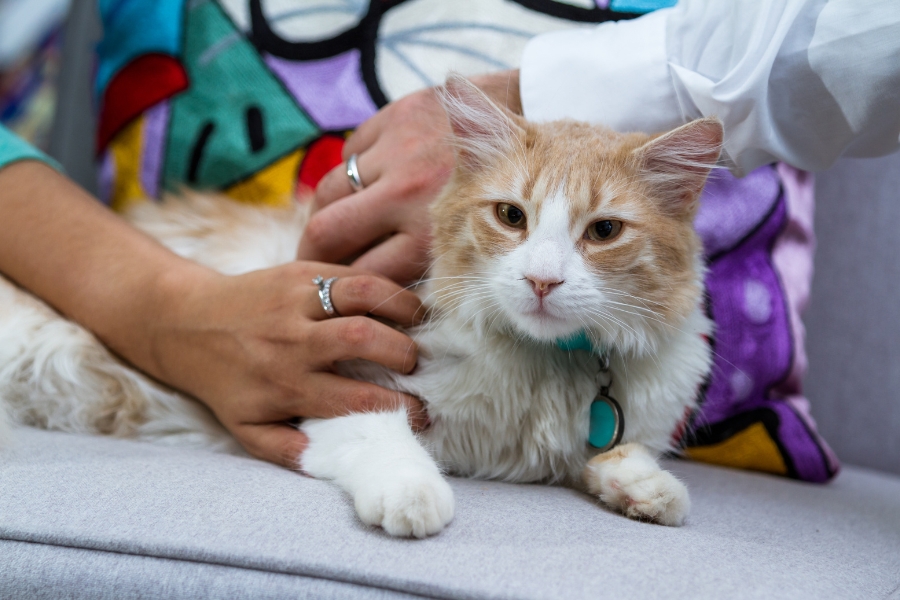
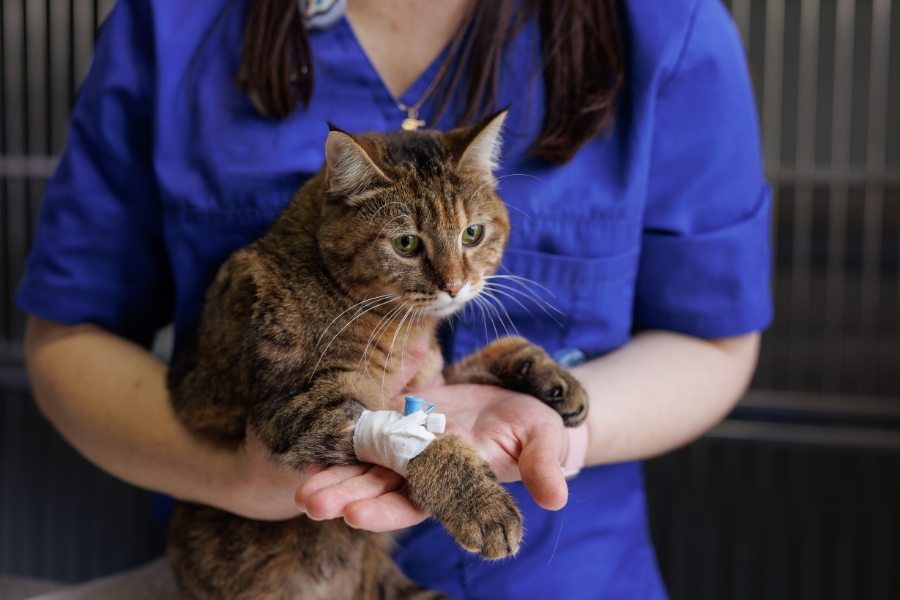
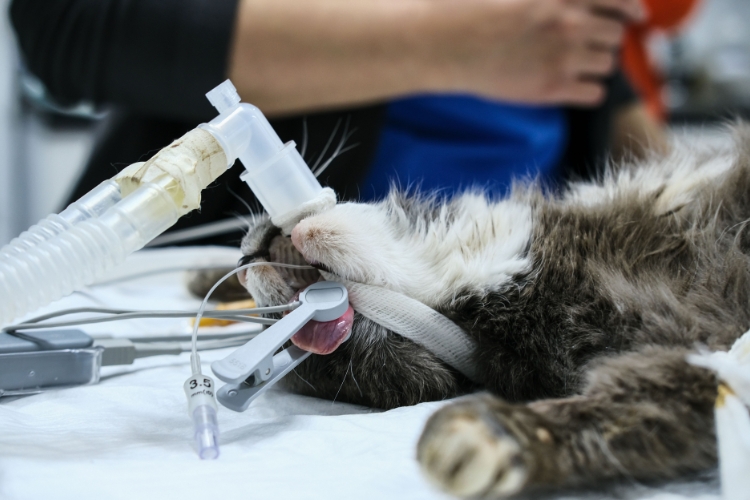
Like humans, cats can develop heart disease, but they often show no signs until it’s too late. Regular checkups with the veterinarian are essential for catching problems early, making treatment more effective. Taking steps to monitor your cat’s heart health can prevent serious issues and help ensure your furry friend stays healthy and happy for years to come.
Why Regular Heart Checkups Matter
Cats often hide their discomfort or signs of illness, making it challenging to detect heart disease. Regular checkups are essential because conditions like Hypertrophic Cardiomyopathy (HCM) or Dilated Cardiomyopathy (DCM) can develop unnoticed until they become serious. Cardiology testing helps identify early warning signs of heart problems, allowing for treatment before the condition worsens. Even if your cat seems healthy, regular visits are essential to check their heart function and prevent potential issues from progressing.
Common Heart Conditions in Cats
The most common types of heart disease that can affect cats are:
- Hypertrophic Cardiomyopathy (HCM): This is the most frequent heart condition in cats. It occurs when the walls of the heart muscle become thickened, which affects the heart’s ability to pump blood properly.
- Dilated Cardiomyopathy (DCM): Less common than HCM, this condition occurs when the heart muscle becomes thin and weak, impairing its ability to pump blood effectively.
- Restrictive Cardiomyopathy: This occurs when the heart muscle becomes stiff and doesn’t relax properly, hindering the heart’s ability to fill with blood.
Other conditions, such as heartworms and arrhythmias, can also affect heart function, and early detection is key to managing them effectively.
Signs of Heart Disease in Cats
Heart disease in cats can develop silently, but there are warning signs to watch for. Here are some common symptoms that may indicate your cat is suffering from heart problems:
- Labored or Rapid Breathing: Shortness of breath, especially when resting, can indicate heart failure or fluid in the lungs.
- Lethargy: If your cat appears more tired or less active than usual, it might indicate their heart is having difficulty pumping oxygen-rich blood to essential organs.
- Fainting or Collapse: If your cat suddenly faints or collapses, it may indicate a serious heart problem and requires immediate veterinary attention.
- Decreased Appetite: A decrease in your cat’s eating habits might suggest they are not feeling well, which can sometimes be related to heart problems.
- Swollen Abdomen: Fluid buildup in the abdomen may indicate a heart issue. If you see this, it’s vital to get your pet veterinary care as soon as possible.
If your cat shows any of these symptoms, it’s crucial to schedule a checkup with a veterinary cardiologist.
The Role of Cat Cardiology in Early Detection
Cat cardiology involves diagnosing and managing heart conditions in cats. Regular checkups enable your veterinarian to identify potential heart issues early, before they develop into serious problems. Here’s what a typical heart checkup involves:
- Physical Exam: During this exam, your vet will listen for heart murmurs or irregular rhythms that could indicate a problem.
- Chest X-rays: These help assess heart size and detect fluid buildup in the lungs.
- Echocardiogram (Ultrasound): This test provides a clear view of the heart’s structure, allowing your veterinarian to detect any issues.
- Blood Pressure Measurement: Monitoring blood pressure helps detect hypertension, which can contribute to heart disease.
- Blood Tests: Tests such as NT-proBNP can identify early signs of heart stress and failure, helping doctors catch problems before they become more serious.
Early diagnosis and intervention can prevent heart disease from progressing, which significantly improves your cat’s quality of life.
Maintaining Heart Health Through Prevention
While some heart issues in cats are inherited, there are simple steps you can take to support their heart health, like:
- Healthy Diet: Ensure your cat eats a balanced diet with proper nutrients to support heart health. Consult your vet for diet recommendations specific to your cat’s needs.
- Regular Exercise: Keeping your cat active helps maintain their cardiovascular health. Interactive play sessions can keep them engaged and prevent obesity.
- Stress-Free Environment: A calm environment reduces stress, which is beneficial for heart health. Keep noise levels low and provide your cat with a quiet space to rest.
- Regular Checkups: Scheduling routine heart checkups is the best way to ensure your cat’s heart remains healthy. Regular visits allow your vet to monitor your heart function and catch any potential issues early.
Prioritize Your Cat’s Heart Health
Heart disease in cats can be a quiet but serious problem that affects their well-being. Regular checkups increase the chance of catching issues early and starting treatment promptly. At Pure Paws Veterinary Care, we are experienced in cat heart health and offer detailed assessments to ensure your cat’s heart stays strong. Contact us today to set up an appointment and support your cat’s healthy future.
FAQs
Q1. How is heart disease diagnosed in cats?
Ans. Heart disease is diagnosed through physical exams, chest X-rays, echocardiograms, blood pressure measurements, and blood tests.
Q2. Can heart disease in cats be prevented?
Ans. Some heart conditions are genetic and cannot be prevented, but regular checkups, a healthy diet, and proper care can help reduce the risk of complications.
Q3. What is Dilated Cardiomyopathy (DCM) in cats?
Ans. DCM is a condition in which the heart muscle becomes weakened and thin, affecting its ability to pump blood. It is less common but can be caused by nutritional deficiencies.
Q4. Is HCM hereditary in cats?
Ans. Yes, certain breeds, such as Maine Coons, Ragdolls, and British Shorthairs, are genetically predisposed to HCM, making early checkups crucial for them.
Q5. What happens if heart disease is left untreated in cats?
Ans. If left untreated, heart disease can lead to heart failure, fluid buildup, and other serious complications. Early diagnosis and treatment can prevent these outcomes.