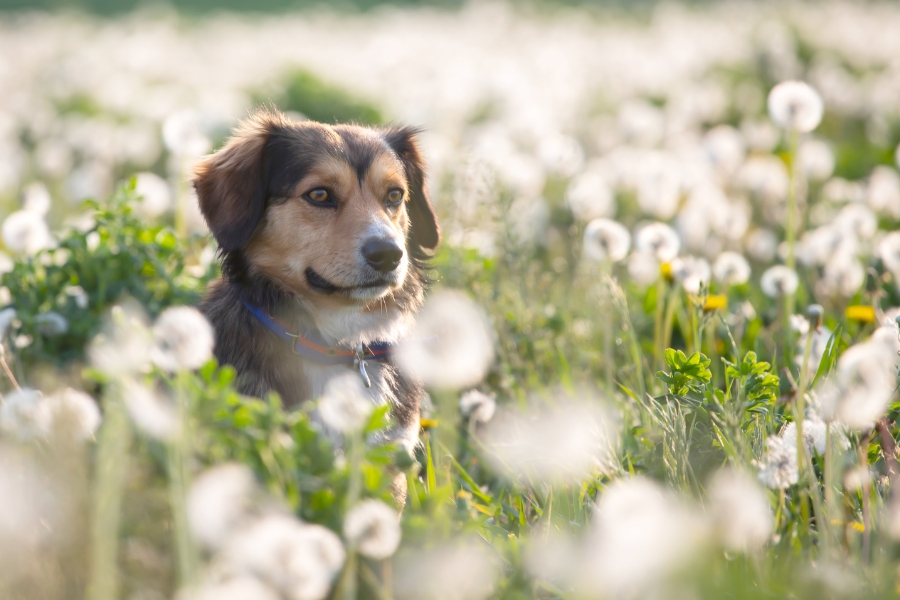
As much as we love our pets, dog allergies can be a frustrating challenge for both pets and owners. Allergies in dogs can cause a range of symptoms, including itching, skin irritation, sneezing, and even digestive issues. Fortunately, there are several natural remedies you can try at home to help alleviate these symptoms without relying on harsh medications. In this post, we’ll discuss 10 effective home remedies for dog allergies that can help provide relief to your furry friend.
1. Oatmeal Baths
An oatmeal bath is one of the most soothing remedies for dogs suffering from allergies, especially skin irritations. Oatmeal contains compounds that help reduce inflammation and itchiness. To create an oatmeal bath for your dog, grind plain, unsweetened oatmeal into a powder and mix it into lukewarm bath water. Soak your dog in the bath for 10-15 minutes to help relieve itching and calm irritated skin.
2. Coconut Oil for Skin Irritations
Coconut oil is known for its anti-inflammatory, antibacterial, and antifungal properties, making it an excellent option for treating skin irritations caused by allergies. Apply a thin layer of organic coconut oil directly to your dog’s skin to soothe itchy spots and promote healing. You can also add coconut oil to your dog’s diet to improve their overall skin and coat health.
3. Apple Cider Vinegar Rinse
Apple cider vinegar (ACV) has antimicrobial properties that can help combat the bacteria and fungi that often accompany allergic reactions. Mixing equal parts water and ACV can create a natural rinse that you can use to wash your dog’s paws and coat. This helps to balance the pH of their skin, reduce itching, and prevent infections.
4. Aloe Vera for Skin Healing
Aloe vera is a powerful natural remedy for soothing irritated skin. The cooling properties of aloe vera gel help reduce redness and inflammation caused by allergies. Simply apply fresh aloe vera gel to your dog’s skin, focusing on areas that are inflamed or itchy. Be sure to avoid the dog’s mouth or eyes, as the gel can cause discomfort if ingested.
5. Probiotics for Digestive Health
Allergies can often lead to digestive issues in dogs. Adding probiotics to your dog’s diet can help support their digestive system and improve their immune response. Probiotics promote a healthy balance of bacteria in the gut, which can help reduce allergic reactions. You can find probiotic supplements designed specifically for dogs or add probiotic-rich foods like plain yogurt (in moderation) to their meals.
6. Chamomile Tea Compress
Chamomile tea is known for its calming and anti-inflammatory effects, which can be beneficial for dogs suffering from allergies. Brew a cup of chamomile tea, then let it cool completely. Soak a clean cloth in the tea and apply it as a compress to your dog’s irritated skin. This can help reduce redness and swelling and soothe itchy areas.
7. Omega-3 Fatty Acids for Skin Health
Omega-3 fatty acids are essential for maintaining healthy skin and reducing inflammation caused by allergies. Fish oils, such as salmon oil, are rich in omega-3s and can be easily added to your dog’s diet. Regular intake of omega-3 fatty acids can help reduce itching, dryness, and the severity of allergic reactions.
8. Herbal Remedies: Nettle and Licorice Root
Nettle and licorice root are herbs that are often used to treat seasonal allergies in both humans and pets. Nettle acts as a natural antihistamine and can help reduce the symptoms of allergies. Licorice root has anti-inflammatory properties and can help balance the immune system. Both herbs can be given in supplement form, but it’s important to consult with your vet to determine the proper dosage for your dog.
9. Bathing with Hypoallergenic Shampoo
Regular baths with a gentle, hypoallergenic shampoo can help keep your dog clean and reduce allergens that may be lingering in their coat. Choose a shampoo specifically formulated for dogs with sensitive skin to avoid further irritation. Bathing your dog once every two weeks can help remove pollen, dust, and other environmental allergens that can worsen symptoms.
10. Avoiding Common Allergens
Although this isn’t a direct remedy, one of the best ways to manage your dog’s allergies is to limit their exposure to common allergens. Keep your dog indoors on high-pollen days, and wash their paws and coat after walks to remove any allergens they may have come into contact with. This simple step can help reduce the severity of allergic reactions and keep your dog more comfortable.

By incorporating these natural remedies into your dog’s care routine, you can help manage their allergies and improve their overall well-being. However, it’s always a good idea to consult with a veterinarian before starting any new treatments to ensure they are appropriate for your dog’s specific needs. Your vet can also help you identify the underlying cause of your dog’s allergies and recommend additional treatments if necessary. With the right care and natural remedies, you can help your dog feel better and enjoy life without the discomfort of allergies.
FAQs
Q1. What are the most common signs of allergies in dogs?
Ans. Allergies in dogs often manifest as itching, sneezing, watery eyes, ear infections, or skin rashes. Some dogs may also experience gastrointestinal issues like vomiting or diarrhea.
Q2. Can I use human products on my dog for allergies?
Ans. While some human products like oatmeal and aloe vera are safe for dogs, many human allergy treatments can be harmful. Always check with your vet before using human remedies on your pet.
Q3. How often should I bathe my dog with allergies?
Ans. Bathing your dog every 1-2 weeks with a gentle, hypoallergenic shampoo can help reduce allergens. Over-bathing may dry out their skin, so it’s important to strike the right balance.
Q4. Are probiotics safe for dogs with allergies?
Ans. Yes, probiotics are generally safe for dogs and can help support their immune system and digestive health. Always choose probiotics specifically designed for dogs.
Q5. Can Omega-3 fatty acids help my dog’s allergies?
Ans. Omega-3 fatty acids, such as those found in fish oil, can help reduce inflammation and improve your dog’s skin health, which can be beneficial for managing allergy symptoms.
Q6. Should I take my dog to the vet for allergies?
Ans. If your dog’s allergy symptoms persist or worsen, it’s important to consult a veterinarian. They can provide a proper diagnosis and recommend the best treatment plan for your dog.