
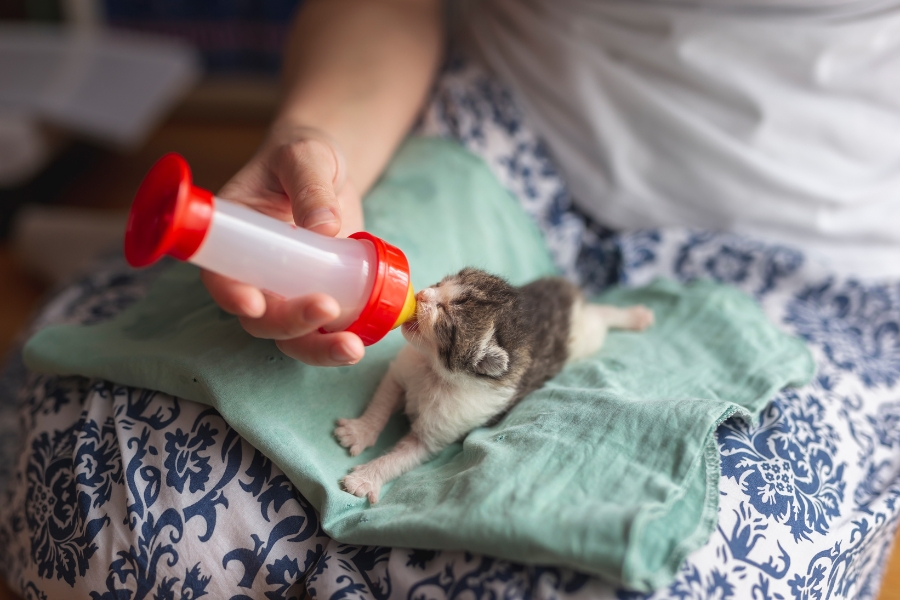
Bringing a new kitten into your home is an exciting and rewarding experience. These adorable little creatures are full of energy and curiosity, and as a pet owner, you want to give them the best start in life. One of the most important aspects of raising a healthy kitten is ensuring they get the proper nutrition. A balanced diet is essential for their growth, development, and overall well-being.
In this blog post, we’ll cover everything you need to know about feeding your new kitten to support their healthy growth and development. From the types of food to feed them to meal schedules and portion sizes, we’ll guide you through the essentials of kitten nutrition.
1. Choose the Right Kitten Food
When it comes to kitten food, the most important thing is to select food specifically formulated for kittens. Kittens have different nutritional needs than adult cats, as they are still growing and developing. Kitten food is specially designed to provide the right balance of nutrients, including protein, fat, and essential vitamins and minerals.
You’ll want to choose high-quality, well-balanced kitten food that contains protein as its main ingredient. Look for options with real meat, such as chicken, turkey, or fish. Protein is crucial for your kitten’s growth and development, as it helps build muscle, repair tissues, and support the immune system.
What to do: Avoid feeding your kitten adult cat food, as it may not provide the correct balance of nutrients for their growing body. Always read the labels and choose foods formulated for kittens.
2. Wet vs. Dry Food: Which Is Best?
Both wet and dry food can be part of a healthy kitten diet, but each offers its own benefits. Wet food is great for hydration, as it contains a higher moisture content. This is especially beneficial for kittens who might not drink enough water on their own. Wet food also tends to be more palatable for kittens, which can encourage them to eat more.
On the other hand, dry food can help with dental health by reducing plaque and tartar buildup. It’s also convenient for feeding and can be left out during the day, as it doesn’t spoil as quickly as wet food.
What to do: A combination of both wet and dry food is often the best approach. You can offer wet food for meals and leave dry food available for grazing throughout the day. Just make sure to adjust portions accordingly to avoid overfeeding.
3. Establish a Feeding Schedule
Kittens have small stomachs and need to eat more frequently than adult cats. At around 6 to 8 weeks of age, your kitten should be fed 3-4 times per day. As they grow older, you can reduce the number of meals, transitioning to two meals per day when they reach about 6 months.
It’s essential to stick to a consistent feeding schedule, as kittens thrive on routine. Regular feeding times will help your kitten feel secure and ensure they’re getting the right amount of food for healthy growth.
What to do: Offer food at the same times each day. If you’re unsure how much to feed your kitten, consult the feeding guidelines on the food packaging or your veterinarian for personalized recommendations.
4. Watch Portion Sizes
Overfeeding your kitten can lead to obesity, which can have long-term health consequences, while underfeeding can stunt growth and development. The key is to follow the recommended portion sizes on your kitten’s food packaging and adjust as needed based on their activity level and growth rate.
In the first few months, your kitten will grow quickly, so their portion sizes will change as they age. Keep track of their weight and consult your veterinarian if you’re concerned about their growth or if you notice significant weight changes.
What to do: Use a measuring cup to ensure you’re feeding the correct portions. If you’re unsure about portion sizes, ask your vet for advice.
5. Fresh Water Is Essential
Hydration is crucial for your kitten’s health. While wet food provides some moisture, it’s important to ensure your kitten always has access to fresh, clean water. Water helps regulate body temperature, aids digestion, and supports kidney function.
Kittens may not always drink enough water, especially if they’re eating primarily dry food. Consider using a water fountain to encourage drinking, as some kittens prefer moving water to a stagnant bowl.
What to do: Always provide fresh water throughout the day and clean the water bowl regularly to keep it free from bacteria.
6. Introduce Treats Wisely
Treats are a great way to reward your kitten, but they should only make up a small part of their diet. Overfeeding treats can lead to an unbalanced diet, which may affect your kitten’s growth and development.
When choosing treats, look for those made specifically for kittens and ensure they are healthy and low in calories. Avoid giving human food or unhealthy snacks, as they can cause digestive issues or introduce harmful substances to your kitten’s diet.
What to do: Offer treats sparingly and use them as a training tool or reward for good behavior. Be sure to keep treats to no more than 10% of their total daily intake.
7. Monitor Growth and Health
As your kitten grows, it’s essential to monitor their weight, coat condition, and overall health. A healthy kitten will have a shiny coat, bright eyes, and active behavior. If you notice any changes in your kitten’s appearance, appetite, or energy levels, it could indicate a nutritional deficiency or health issue.
Regular check-ups with your veterinarian are important to ensure your kitten is growing at a healthy rate and getting the nutrients they need.
What to do: Keep an eye on your kitten’s overall health and growth. If you notice anything unusual, consult your veterinarian to rule out health problems.
Proper nutrition is vital for your new kitten’s growth and well-being. By choosing high-quality kitten food, establishing a feeding schedule, and ensuring your kitten stays hydrated, you can support their healthy development and lay the foundation for a long, happy life. If you ever have concerns about your kitten’s diet or health, don’t hesitate to reach out for professional kitten care in New York City, NY.
With the right diet and care, your kitten will grow into a strong, healthy cat, ready to enjoy many years of companionship and love.
