Whether it’s a routine spay or a complex orthopedic procedure, the thought of your pet undergoing surgery can be overwhelming. However, when you understand each step of the surgical journey, much of that anxiety melts away. For those navigating veterinary pet surgery in New York, this guide outlines what to expect—before, during, and after your pet’s surgery—while offering reassurance that you’re doing the best for your furry companion.
Step 1: The Pre-Surgery Consultation
First and foremost, your pet will have a comprehensive pre-operative consultation. During this visit, your veterinarian will:
- Review your pet’s medical history
- Conduct bloodwork and imaging (if necessary)
- Discuss the surgical procedure, anesthesia, and post-op care
- Answer any concerns you may have
In New York, where clinics are often busy and highly specialized, this step is critical for ensuring your pet gets the most precise care possible.
Pro tip: Ask if your veterinary hospital uses advanced tools like digital radiology or in-house labs—common in NYC practices—which speed up diagnosis and preparation.
Step 2: The Night Before Surgery
The night before surgery, follow your vet’s fasting instructions carefully. Most pets shouldn’t eat after midnight, although water is usually allowed. Additionally, avoid any strenuous activity. Give your pet a quiet, cozy place to rest.
Make sure you have all post-op supplies at home (e.g., e-collar, soft bedding, medications), as pet stores in New York can get crowded during peak hours.
Step 3: Surgery Day – What Happens at the Clinic
Upon arrival, your pet will be admitted and checked in by the surgical team. Here’s what usually happens next:
- Vitals Monitoring: Temperature, pulse, and weight are recorded.
- IV Placement: An intravenous line is inserted to administer fluids and medication.
- Sedation: Light sedation is given to reduce anxiety.
- Anesthesia Induction: Once fully sedated, your pet is intubated and prepped for surgery.
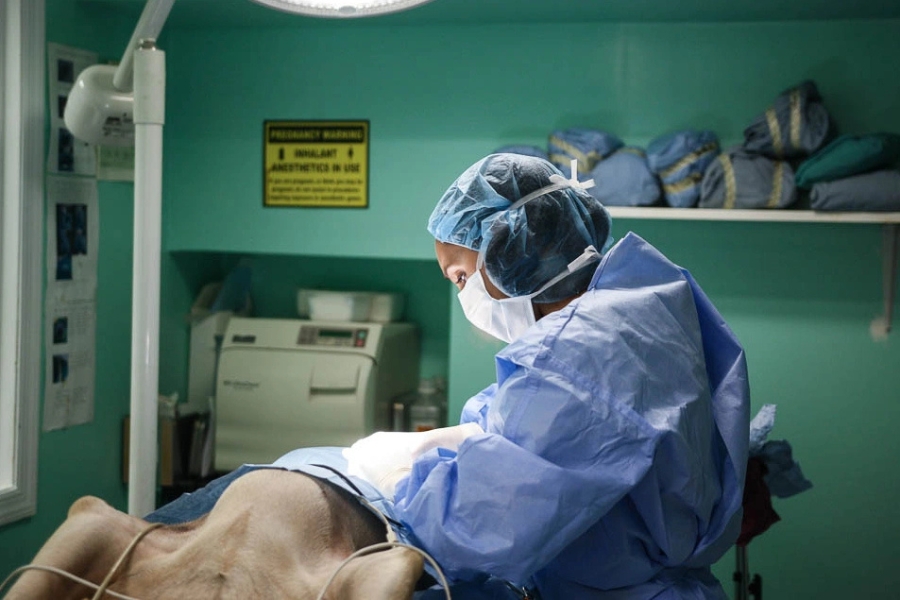
- Surgical Procedure: The surgeon performs the procedure in a sterile operating suite.
- Constant Monitoring: Throughout the surgery, your pet’s heart rate, oxygen levels, and blood pressure are monitored in real time.
For veterinary pet surgery in New York, top clinics often use advanced equipment to minimize risk and improve surgical outcomes.
Step 4: Recovery and Post-Operative Monitoring
Once the surgery is complete, your pet is moved to recovery. This phase is closely supervised by licensed veterinary technicians who:
- Monitor your pet’s heart rate and breathing
- Administer pain relief and fluids
- Keep your pet warm and calm as they wake up from anesthesia
In NYC clinics, many pets can return home the same day. However, some may need overnight monitoring, especially after complex surgeries.
Step 5: Discharge and At-Home Recovery
When your pet is ready to go home, the veterinary team will provide detailed instructions, including:
- Medication schedule (painkillers, antibiotics, etc.)
- Feeding guidelines (light meals for the first 24 hours)
- Activity restrictions (limit jumping or stairs)
- Incision care (how to check for swelling or infection)
Expect follow-up appointments 7–14 days later. In many NYC clinics, these can include suture removal, bandage checks, or X-rays to ensure proper healing.
Final Thoughts: You’re Not Alone on This Journey
Surgery may seem daunting, but being well-informed makes the entire experience more manageable. From check-in to recovery, your NYC veterinary team is with you every step of the way. With expert care and proper at-home support, your pet will be on the path to healing in no time.
Whether you’re dealing with a routine procedure or a complex operation, veterinary pet surgery in New York ensures access to top-tier care in a city where excellence is expected.
FAQs About Veterinary Pet Surgery in New York
1. Is pet surgery safe in NYC clinics?
Yes. Veterinary hospitals in New York often have board-certified surgeons and state-of-the-art monitoring equipment, significantly reducing risks.
2. How long will my pet be under anesthesia?
It depends on the procedure, but most surgeries last 30–90 minutes. Your vet will tailor the anesthesia to your pet’s size and health.
3. When can my pet eat again after surgery?
Usually, your pet can eat a small meal a few hours after waking up. Your vet may recommend a bland diet temporarily.
4. How do I know if my pet is in pain post-surgery?
Watch for whining, restlessness, heavy panting, or lack of appetite. Always contact your vet if symptoms seem unusual.
5. Can I visit my pet if they stay overnight?
Policies vary. Some NYC clinics allow brief visits, while others may recommend phone updates to reduce stress during recovery.
6. What happens if complications arise at home?
Contact your vet immediately. Most NYC clinics provide 24/7 emergency contact numbers and instructions for urgent care.