

Our pets are family; just like any family member, their health and well-being are of paramount importance. Vaccines play a crucial role in safeguarding our beloved companions from potentially life-threatening diseases. However, with so many options available, knowing which vaccines are essential can be overwhelming. Let’s break down the most important vaccines for dogs and cats, ensuring your furry friends live long, healthy lives.
For Our Canine Companions:
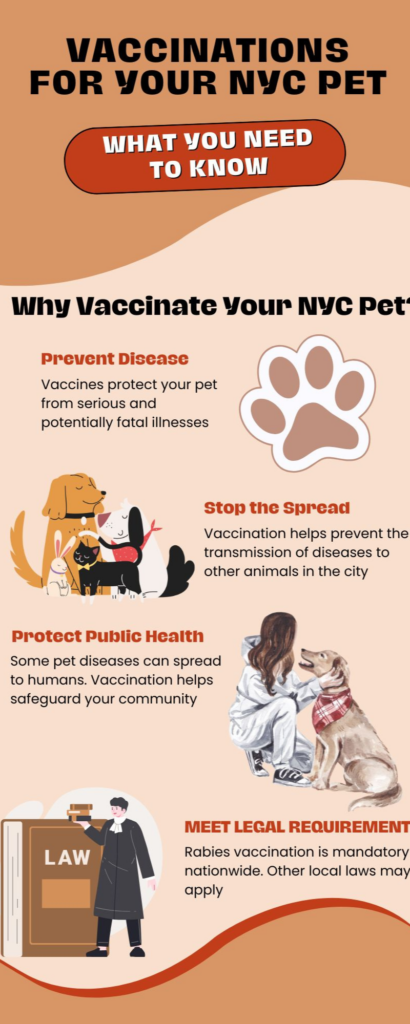
- Rabies: This viral disease affects the central nervous system and is almost always fatal. It is zoonotic, meaning it can be transmitted to humans, making vaccination crucial for your pet’s and your own safety. Rabies vaccination is often mandated by law.
- DHPP (Distemper, Hepatitis, Parainfluenza, and Parvovirus): This combination vaccine protects against several serious canine diseases.
- Distemper: A highly contagious viral disease affecting the respiratory, gastrointestinal, and nervous systems.
- Hepatitis: A viral infection that targets the liver.
- Parainfluenza: A respiratory virus causing kennel cough.
- Parvovirus: A highly contagious and potentially fatal gastrointestinal virus, especially in puppies.
- Leptospirosis: This bacterial infection is transmitted through contaminated water or urine and can cause kidney and liver damage. It’s significant for dogs that spend time outdoors or near bodies of water.
- Bordetella (Kennel Cough): While not always considered a core vaccine, it’s highly recommended for dogs that frequent boarding facilities, dog parks, or grooming salons. Kennel cough is a contagious respiratory infection that can cause a persistent cough.
For Our Feline Friends:
- Rabies: Just like dogs, cats are susceptible to rabies, and vaccination is essential for their protection and public health.
- FVRCP (Feline Viral Rhinotracheitis, Calicivirus, and Panleukopenia): This combination vaccine protects against several common and serious feline diseases.
- Feline Viral Rhinotracheitis (FVR): A highly contagious upper respiratory infection.
- Calicivirus: Another common respiratory virus that can cause oral ulcers and pneumonia.
- Panleukopenia (Feline Distemper) is a highly contagious and potentially fatal viral disease affecting the gastrointestinal system and bone marrow.
- Feline Leukemia Virus (FeLV): This virus can cause various health problems, including cancer and immune suppression. It’s recommended for cats that go outdoors or live with other cats.
Vaccination Schedules and Considerations:
- Puppies and kittens require vaccinations to build immunity, followed by booster shots.
- Depending on the vaccine and lifestyle, adult pets typically need booster shots every one to three years.
- Your veterinarian can create a personalized vaccination schedule based on your pet’s age, health, and lifestyle.
- It is always best to consult with your veterinarian. They have the knowledge to determine the appropriate vaccination schedule for your pet and to consider any individual health concerns.
Protecting your pets through vaccination is an act of love and responsibility. By adhering to a recommended vaccination schedule, you’re safeguarding your furry friends from potentially devastating diseases and contributing to the overall health of the pet community. Remember, every pet is unique, and your veterinarian is your best resource for determining the most appropriate vaccination plan. Don’t hesitate to ask questions and express any concerns you may have. Ensuring your pet’s health will provide you with many years of happy companionship.

