
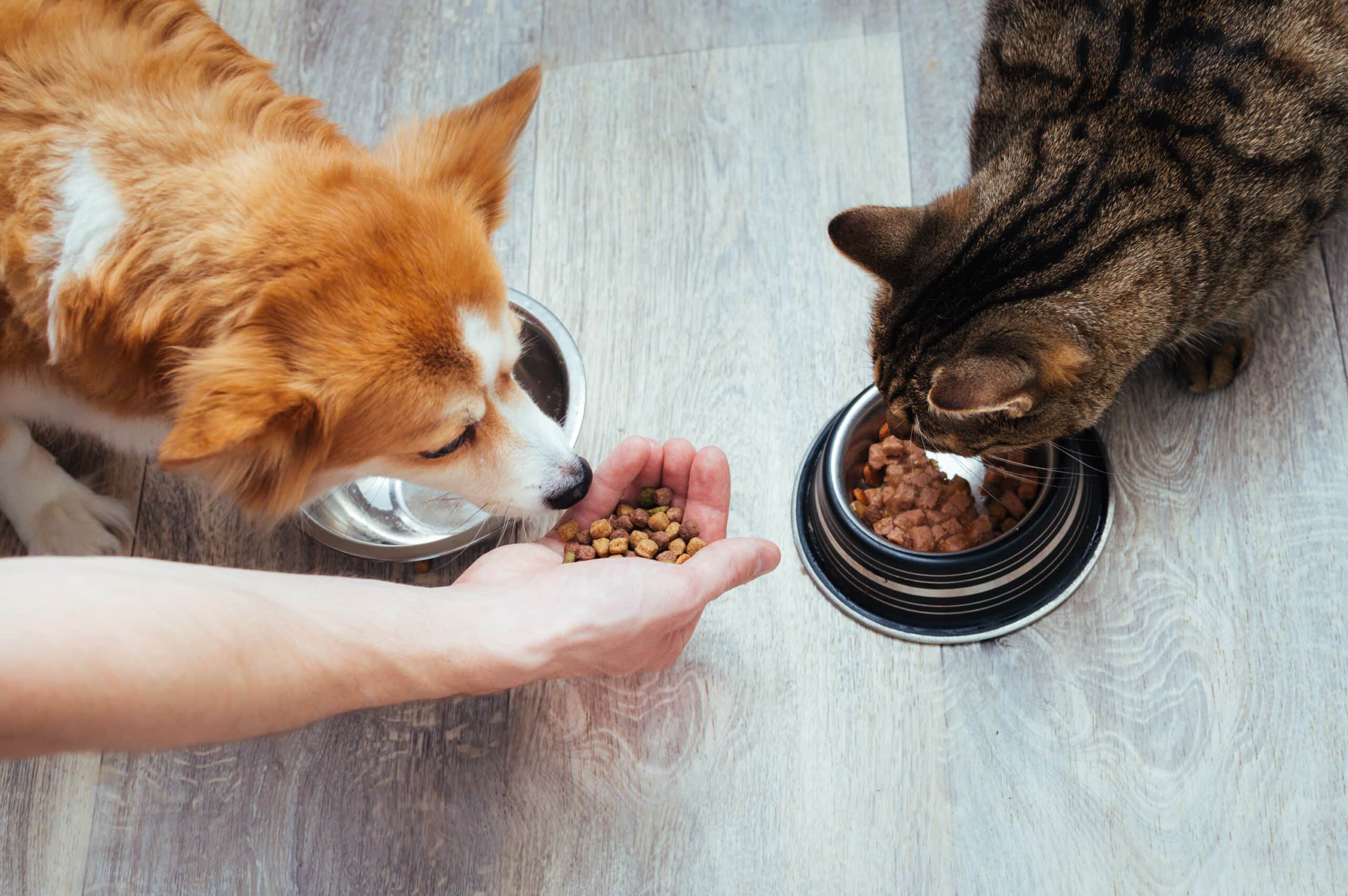
Nutrition is a hot topic as new and alternative pet foods constantly enter the marketplace. Our goal is to help you choose the best, high-quality option for your pet, and since all pets are different, this choice may not be as straightforward as you think. Factors such as age, life stage, species, breed, and any medical issues your pet deals with may impact the dietary recommendations from your vet.
Choosing the right food for your pet isn’t always a straightforward process. With the hundreds of available options being marketed to pet owners, the choices seem endless. However, with the help of this comprehensive guide, you should be able to make an informed decision without getting overwhelmed, so keep reading to learn everything you need to know about pet nutrition and choosing the proper diet for your furry friend.
Understanding Pet Nutrition
Before looking at specific brands and types of food, it’s essential to understand the basics of pet nutrition. Pets require:
- Protein supplies amino acids that help build and repair tissue.
- Carbohydrates provide energy.
- Fats help maintain the health of their skin and coat.
- Vitamins and minerals are an essential part of maintaining any animal’s well-being.
Unfortunately, not all pet food options will properly balance all these nutrients, and your pet’s requirements will vary depending on age, activity level, and size. So you must take the initiative to choose the type of pet food that is best for your furry friend and read labels before purchasing. We recommend that you seek veterinary advice OR at least confirm the pet food is AAFCO certified, which will ensure it meets requirements for nutrient and mineral levels.
Types of Pet Food
Several formulations of pet foods are available, including dry, wet, and semi-moist, and each has pros and cons that you should consider when choosing the one that is right for your pet.
- Dry food is the most common type, as it’s a convenient option that can be left out for several days without spoiling.
- Wet food tends to be more expensive and can spoil quickly, but it may be a more palatable option that helps keep pets hydrated.
- Semi-moist food is a mix of wet and dry food and can be a good option depending on your pet’s needs. However, depending on how much food your pet requires, it can get expensive.
The pros and cons for each type of food will differ for all pet owners as they can vary depending on their nutritional needs and physical limitations, such as being unable to chew dry kibble.
Reading Pet Food Labels
When people purchase food for themselves, they often check the nutrition label for ingredients, added sugars, calories, and other information necessary to their diet. Pets are no different in this way, except they can’t read the label, so we must do it for them! To assess pet food labels, look for the fat, fiber, and protein percentages in the guaranteed analysis section and the protein source in the ingredients list, which should be the first source listed. Then, look for carbohydrates, which should come from vegetables and whole grains, while fats should come from sources like chicken fat or fish. Likewise, vitamins and minerals should also be listed.
You may also consider avoiding food with by-products, fillers, and artificial preservatives that provide little nutritional value and come from lower-quality ingredients. If you need help understanding pet food labels, the best thing you can do is talk to a professional, such as your veterinarian.
Special Dietary Needs
Some pets may have specific dietary needs based on health issues such as food allergies, weight concerns, diabetes, kidney disease, etc. When choosing food for special dietary requirements, it is best to consult with your veterinarian to determine the appropriate food for your pet. Your vet will likely have recommendations or a list to choose from and may even want to monitor how your pet does on a specific diet.
Homemade Pet Food Diets
Some people may choose to feed their pets a homemade diet where they prepare and cook the food. Although this can be a great way to know precisely what is going into your pet’s food, it is a lot more work than making a meal for yourself, as pets require a specific balance of the abovementioned nutrients.
If you are interested in feeding your pet a homemade diet, it’s advised that you talk to your vet before doing so, which will help to avoid malnourishment or overfeeding.
Feeding Schedule, Treats, and Supplements
Besides the food you choose, there are other important factors to consider. Your pet’s feeding schedule varies depending on age, size, and activity level. For example, a puppy requires more frequent feedings, larger breeds need more significant portions, and more sedentary animals need fewer calories than active ones. While pet food packages will have feeding directions, these are based on an average pet, so please consult your vet for specific feeding instructions.
No matter what size portion or how often your pet needs to eat throughout the day, having them on a schedule is essential. A feeding schedule will help prevent overfeeding and underfeeding and is also a great way to train your pet so they are not begging for food throughout the day.
Similarly, you should consider using treats and supplements in their diet. Treats are not meant to replace food but can be an excellent reward for your pet throughout the day. Like food, you should consult the label on treat packaging and adhere to the correct portion size for your pet based on their daily intake. When it comes to supplements, you should talk to your vet before administering any to ensure they are necessary.
Conclusion
With the information provided above, you should be better able to choose the proper diet for your pet to meet its nutritional requirements. However, don’t forget to consult your veterinarian, especially when specific dietary restrictions are involved.
Your pet will thank you for taking the extra time to look into the food you are feeding them!
Choosing the proper diet for your pet can feel overwhelming, but it doesn’t have to be. Armed with the knowledge from this guide, you’re well-equipped to make informed decisions. For complete peace of mind and expert assurance that you’re providing the optimal nutrition for your beloved animal, we encourage you to seek professional advice. Connect with qualified vet clinics near you that can answer your questions and help you confidently navigate the world of pet nutrition.

